Manufacturing Process
ISNR Manufacturing Process
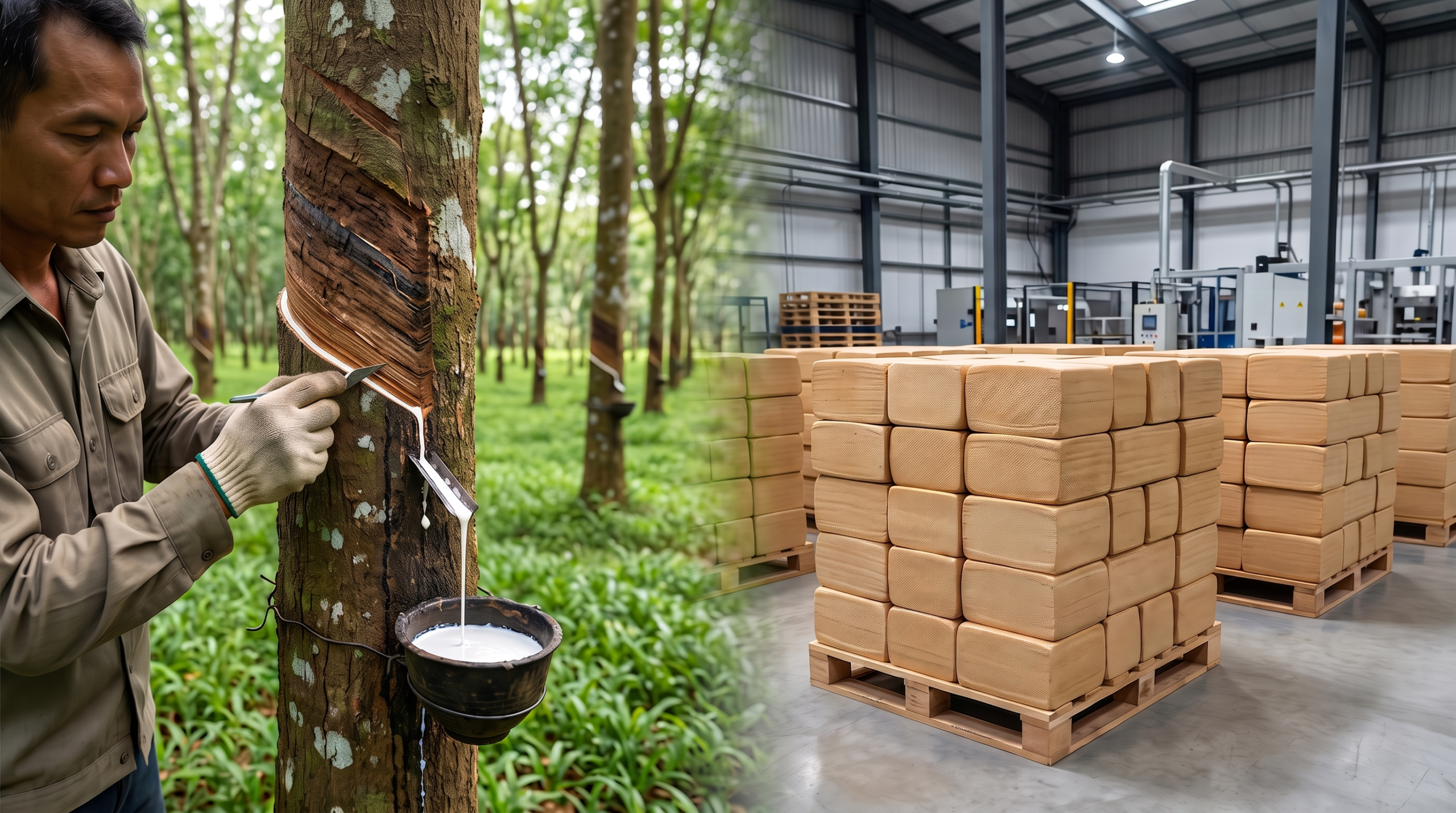
At Brite Rubber, our ISNR manufacturing process is designed around systematic cleaning, controlled processing, efficient drying and rigorous quality inspection. With an optimum annual production capacity of 10,000 MT of ISNR, we process field coagulum sourced from rubber plantations and estates through approved vendors.
From the initial sorting of cup lumps and tree laces to final inspection, testing and packaging, every stage is carried out through a structured sequence of processing and washing operations.
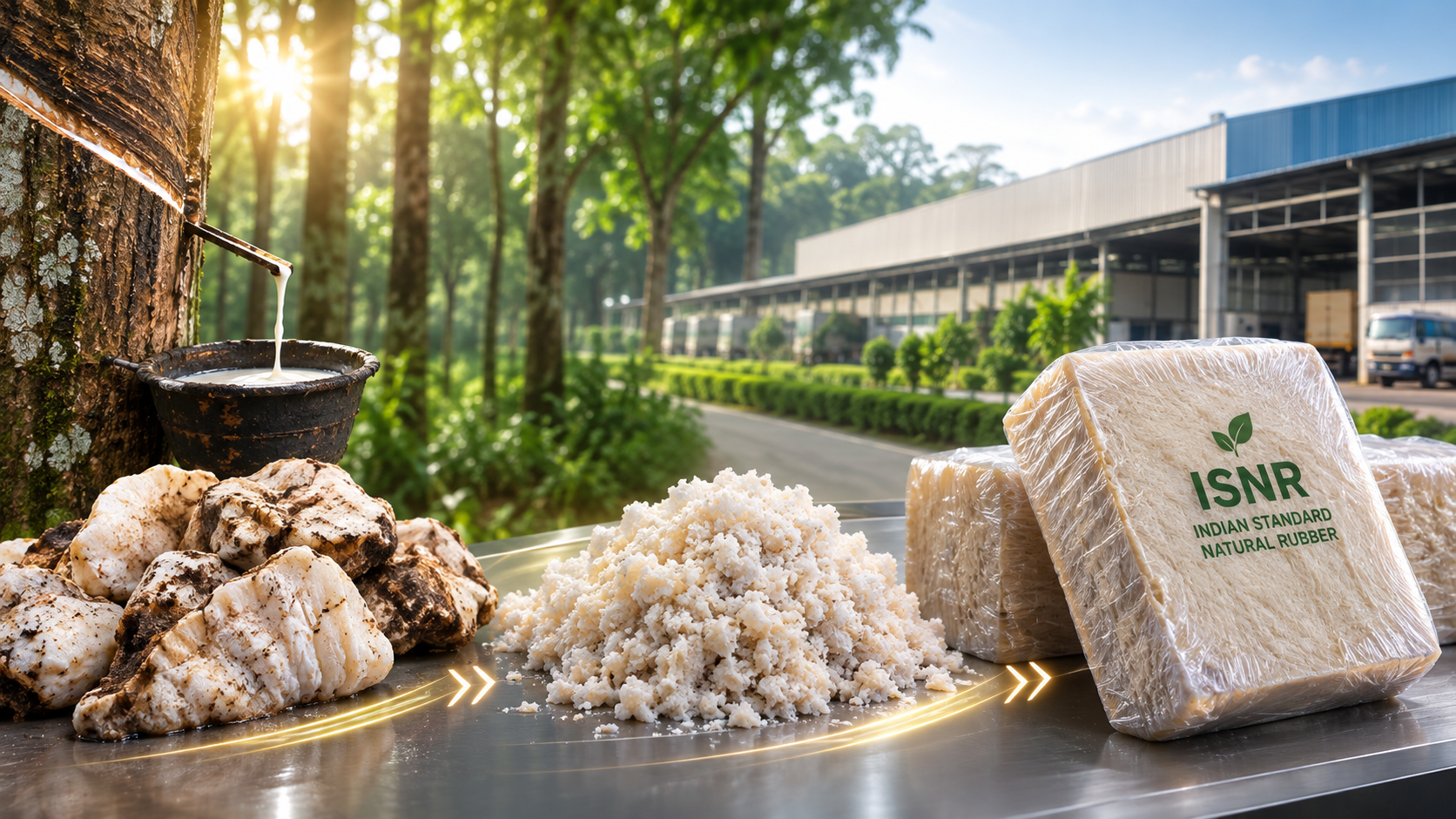
From Field Coagulum to High Quality ISNR
Our Manufacturing Process
Raw Material Selection & Manual Sorting
The process begins with field coagulum, primarily consisting of cup lumps and tree laces. Raw materials are stored in a dedicated Raw Materials Warehouse to prevent contamination.
Manual sorting is carried out at multiple stages to remove degraded rubber and foreign materials before processing begins.
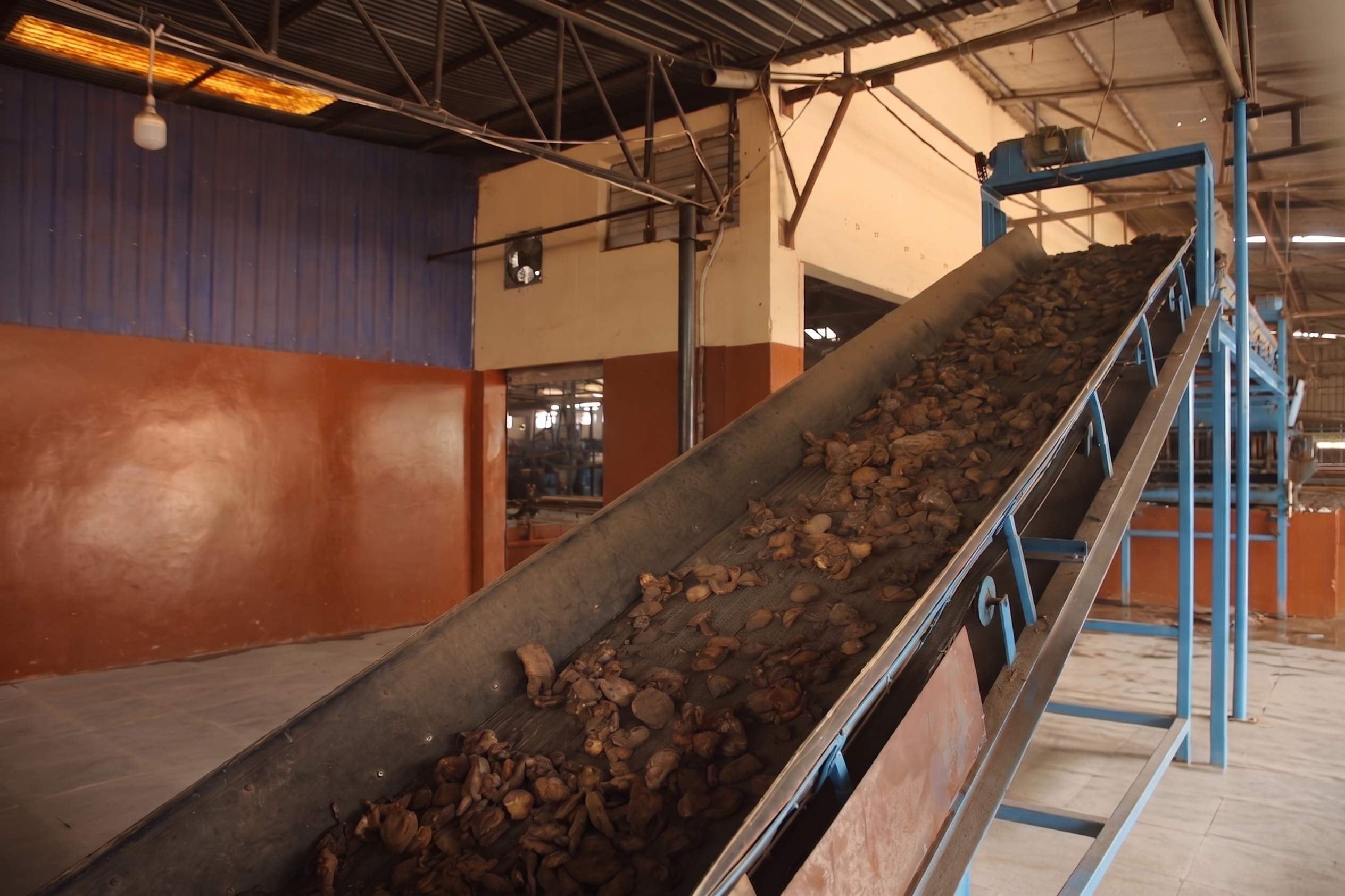
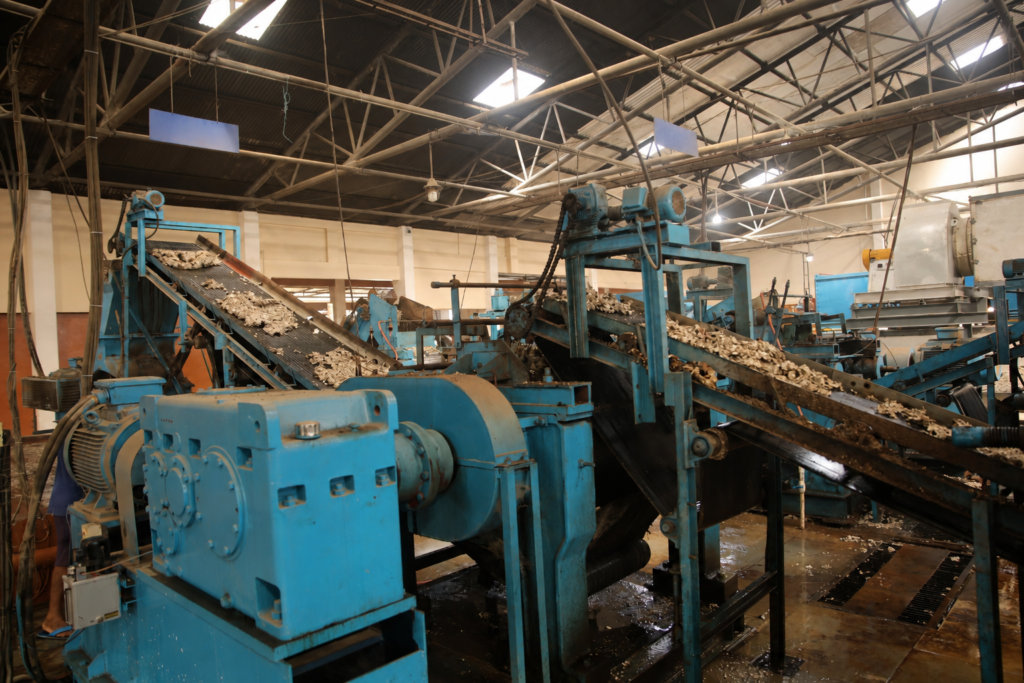
The sorted rubber is passed through a slab cutter via belt conveyor, reducing larger lumps into smaller pieces. A second manual sorting at belt conveyor further removes foreign matter before the rubber enters the washing process.
Multi-Stage Soaking & Pre-Breaking
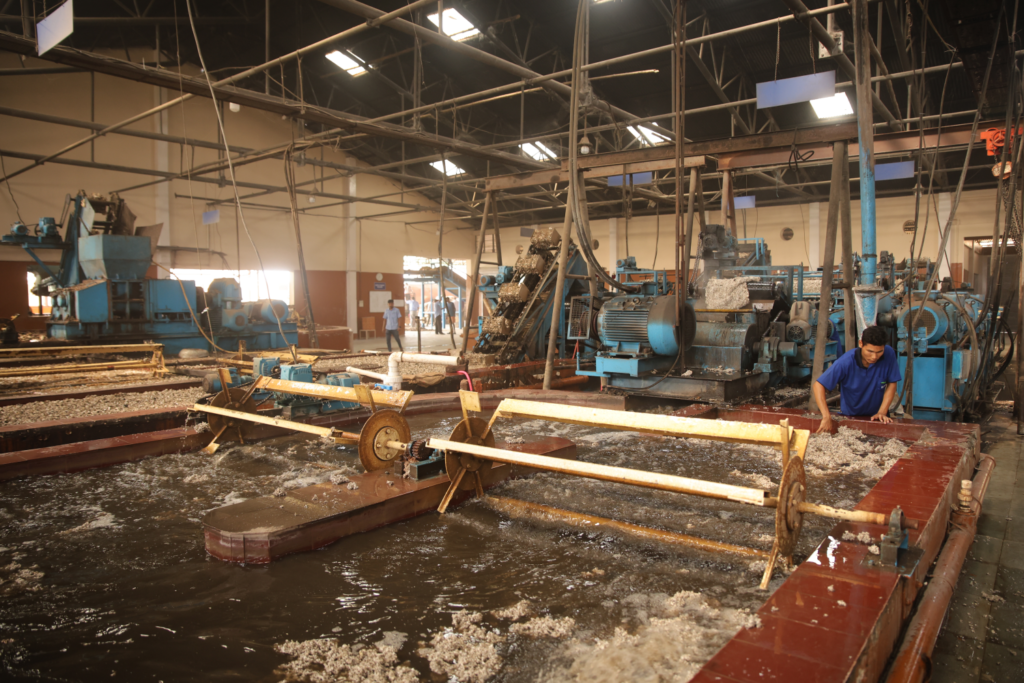
The processed material enters the first soaking tank, where an eight-hour retention period is maintained for initial washing.
The material is subsequently transferred to a second soaking tank, where a third manual sorting stage is carried out on the conveyor belt.
From there, the material is transferred to pre-breakers using bucket elevators. The pre-breaker uses two interworking scrolls to cut the material and produce lacy crepes.
The material then enters the third soaking tank for further removal of dirt.
Creeping & Progressive Cleaning
Material from the third soaking tank is transferred to Creeper No. 1 using bucket elevators.
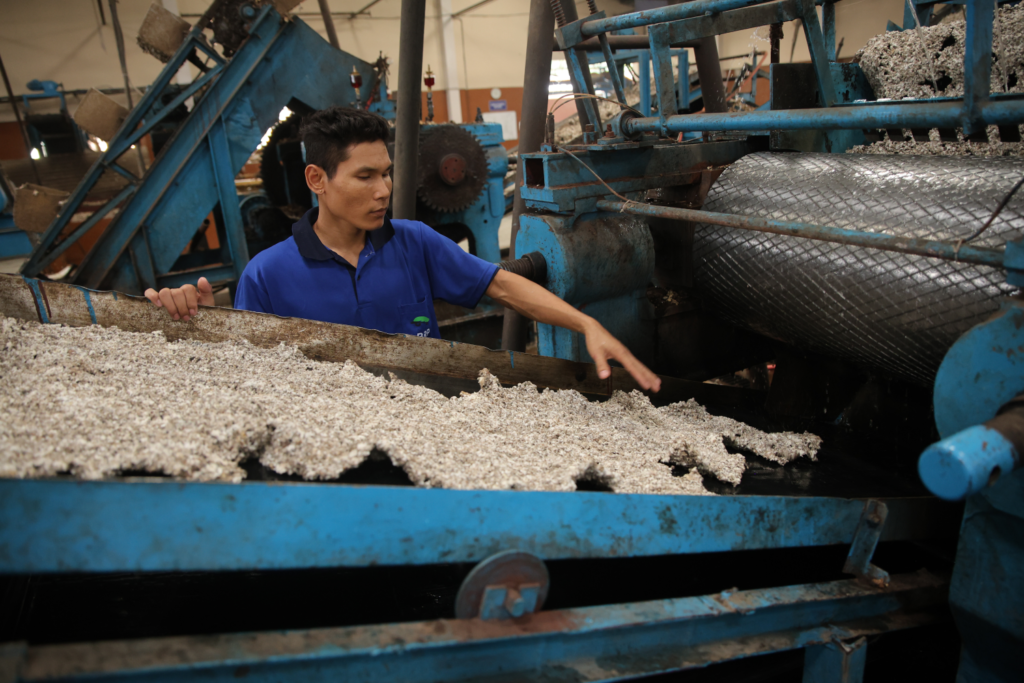
Creepers consist of rubber mill rollers with diamond-shaped grooves. The pressure and relative movement of the rollers stretch the rubber and expose embedded dirt.
During the first creeping stage, smaller crumbs are converted into a blanket form and transferred by belt conveyor to Creeper No. 2.
The same process is repeated, progressively reducing rubber size and improving dirt removal. Wash water is supplied through both creepers.
Hammer Milling & Agitated Washing
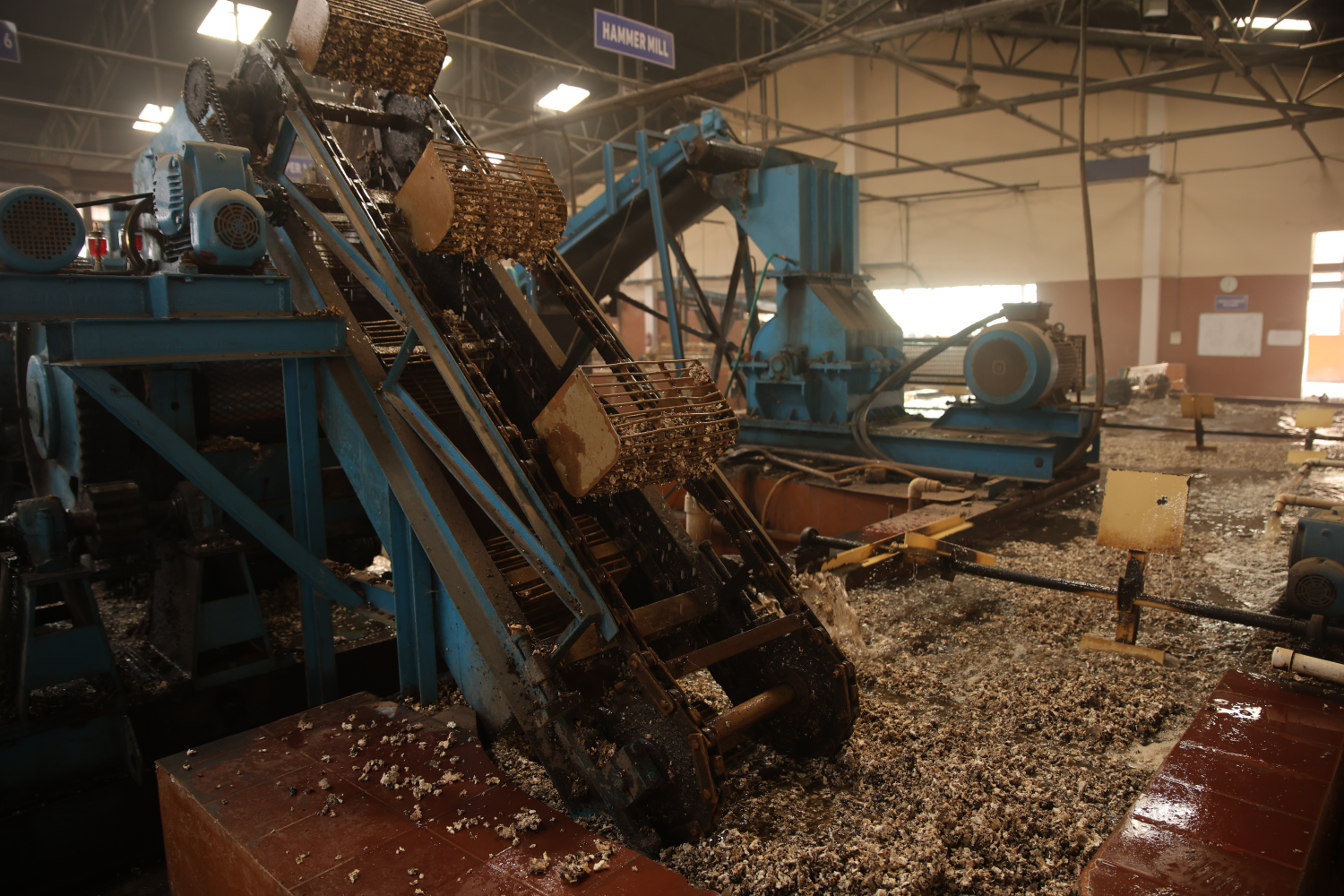
Rubber from Creeper No. 2 is conveyed to the Hammer Mill, where hammer blades cut the rubber into smaller crumbs.
This process exposes dirt embedded within the rubber. The crumbs then enter the fourth soaking tank.
The difference in density between rubber and dirt assists the separation process: rubber crumbs float while denser dirt settles at the bottom.
The water is continuously agitated using impellers and water-jet systems, while a separate pump recycles water from the tank to the crumb collection point.
Multi-Stage Creeping & Final Washing
Rubber from the fourth soaking tank is transferred to Creeper 3 using bucket elevators.
The rollers convert the crumb particles into blanket form during milling. The blanket then passes successively through Creepers 4, 5 and 6.
At each stage, the shearing and cleaning action further improves the quality of the rubber. Wash water is provided throughout the creeping stages.
After Creeper 6, the rubber blanket enters the Shredder, where it is cut once again into fine crumbs.
Variable-speed feed rollers control the feeding rate, ensuring controlled processing.
The crumbs are collected in the fifth soaking tank for final washing, where the entire dust has been removed.
Controlled Drying
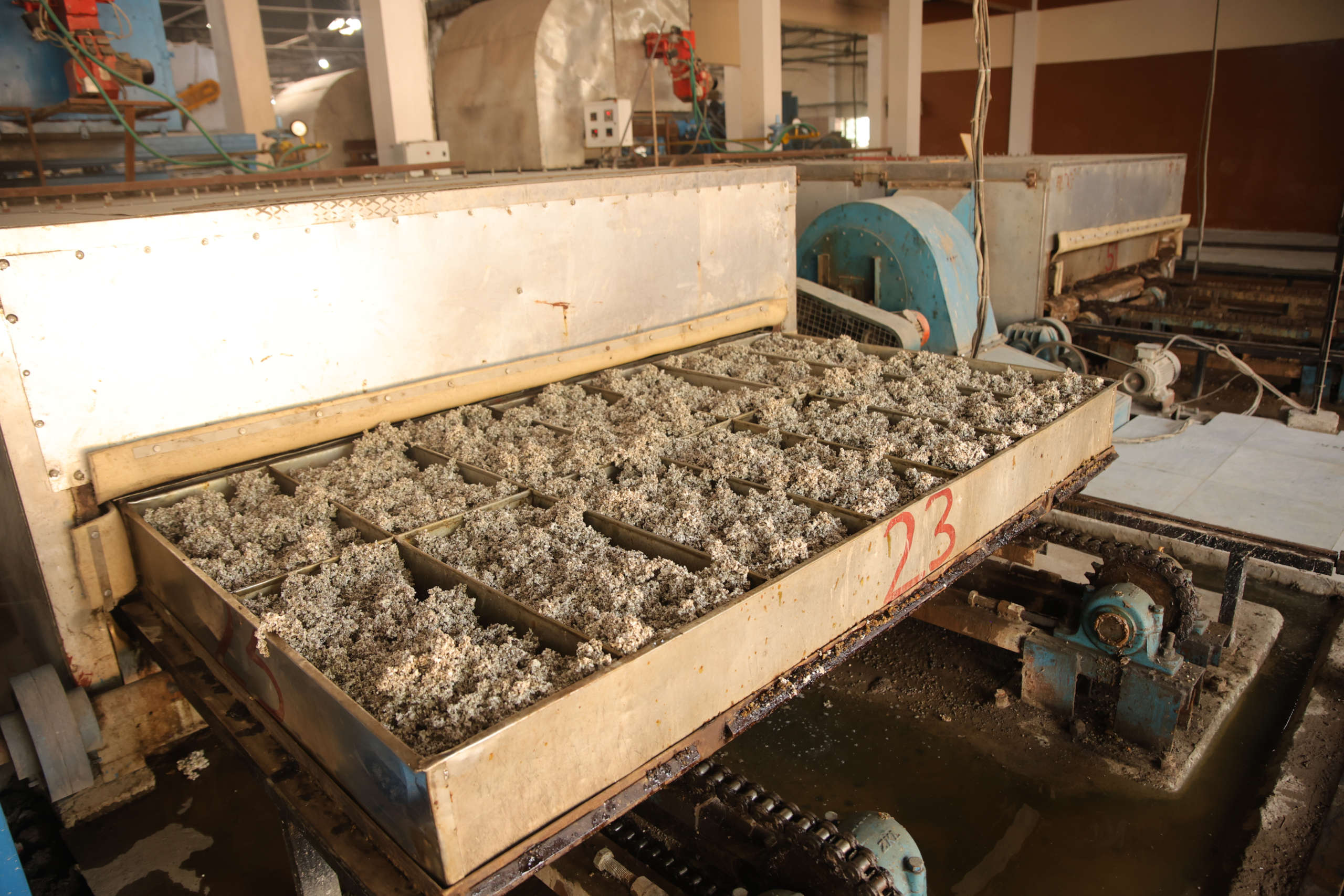
Following final washing, the crumbs are transferred to drier trolleys using a crumb collection pump and vibration system, helping reduce moisture before loading into the dryer.
The drying operation is a slow, continuous process designed for controlled moisture removal.
The crumbs are loaded into steel trays with perforated bottoms and processed through a rail-type counter-flow tunnel dryer consisting of three drying zones.
The dryer is heated using flue gases generated through natural gas combustion, while a blower system distributes hot air across the different zones.
The drying process normally takes approximately 4.5 hours after the trolley enters the dryer.
The final zone functions as a cooling zone, where fans and blowers cool the dried crumb before the product is allowed additional cooling time.
Metal Detection & Inspection
After cooling, the processed rubber passes through a Metal Detector.
This inspection stage is used to identify any metal parts that may have become embedded in the rubber during processing, providing an additional quality-control checkpoint before baling.
Hydraulic Baling, Packaging & Final Testing
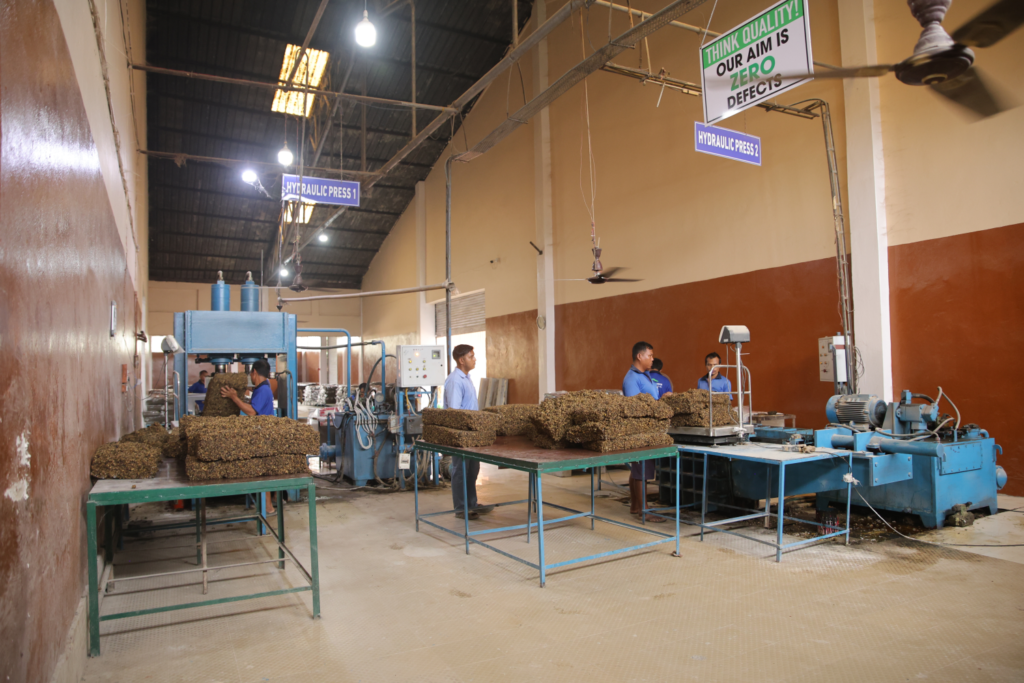
The dried and inspected crumbs are compressed into a manageable size and shape using a high-speed, single-chamber, up-stroke hydraulic baling press.
Baling makes the product easier to transport and handle while reducing storage requirements.
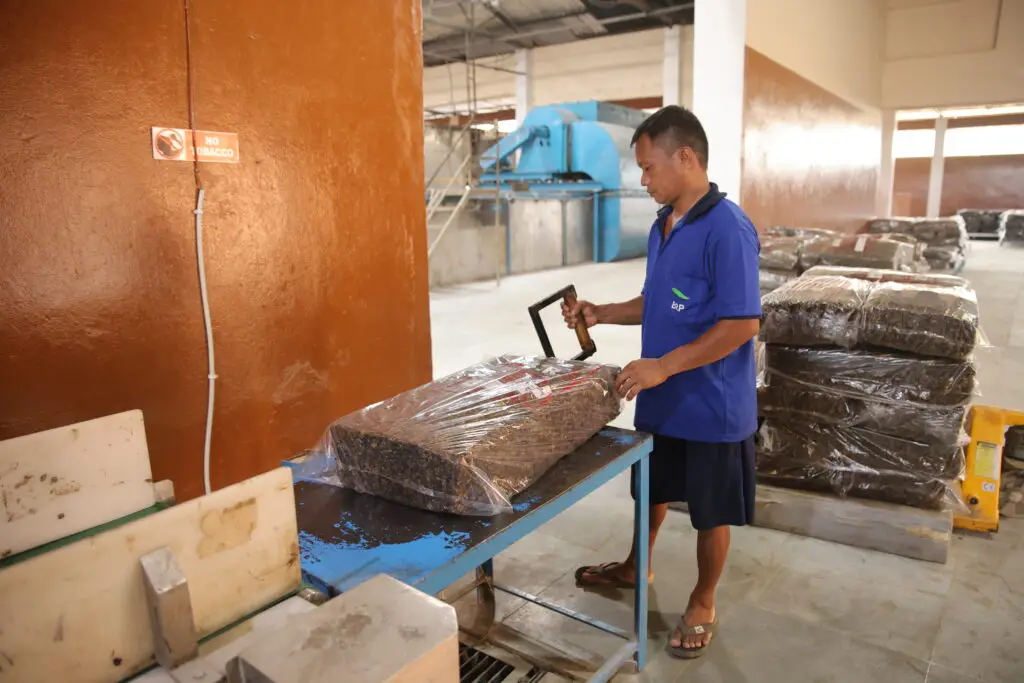
The compressed product is packed in polythene sheets and LDPE blown bags.
Samples are taken from the finished blocks for final analysis and testing to confirm product quality.
Each finished bale has a weight of 25 kg.
Built Around Process Control
Approved Raw Material Sourcing
Field coagulum is sourced from rubber plantations and estates through approved vendors, with availability throughout the year.
Multiple Cleaning Stages
Manual sorting, soaking, creeping, hammer milling, shredding and washing work progressively to remove foreign matter and dirt.
Controlled Drying
A three-zone counter-flow tunnel drying system is used, with a typical drying cycle of approximately 4.5 hours.
Quality Inspection
The cooled product undergoes metal detection followed by sampling, analysis and testing before final packing.
10,000 MT Annual Capacity
The manufacturing facility has an optimum production capacity of 10,000 MT of ISNR annually.
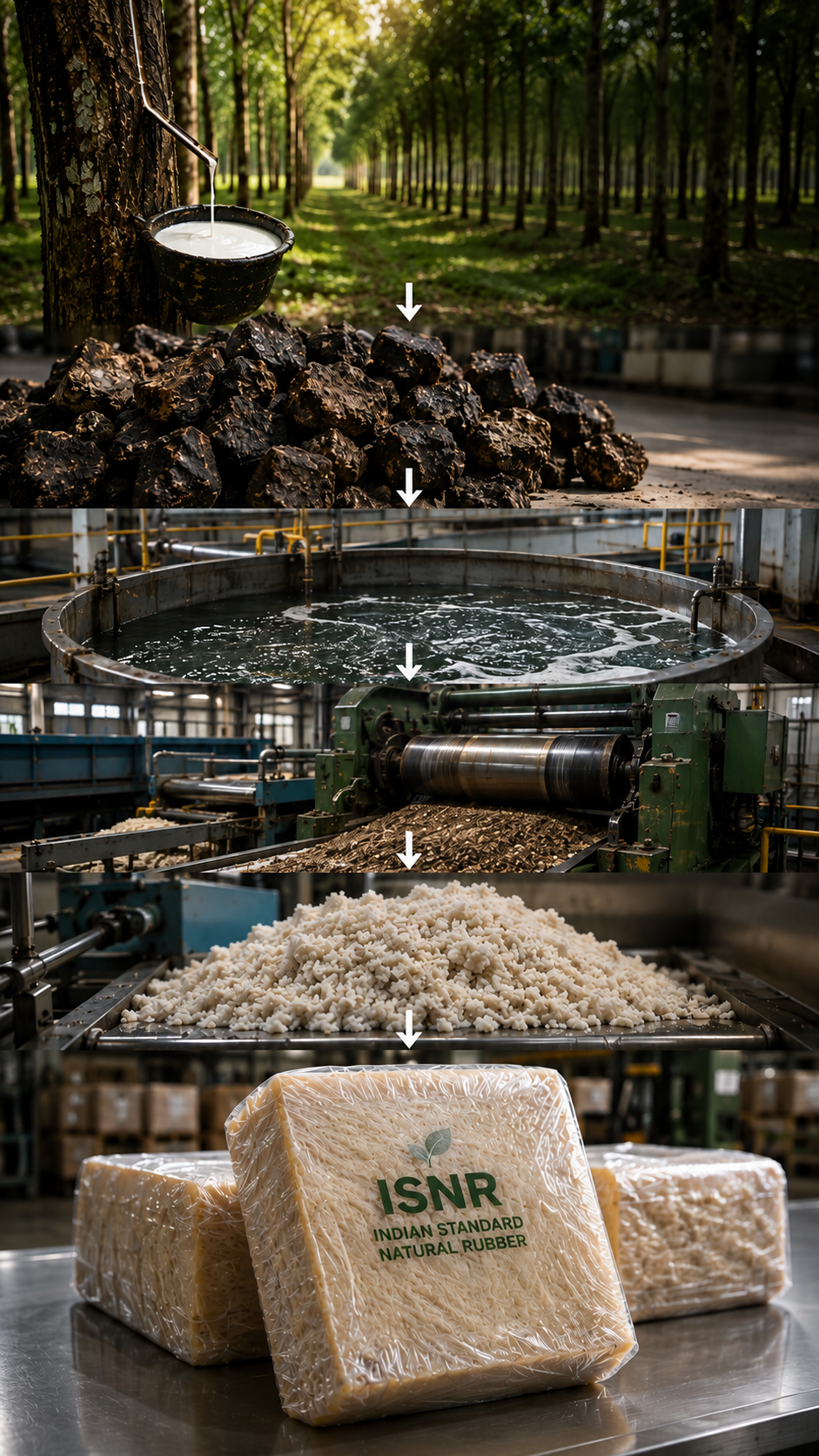
Engineered Process. Consistent Output.
Brite Rubber’s ISNR manufacturing process combines systematic material handling, progressive cleaning, controlled drying and final quality inspection to deliver processed rubber in a consistent and manageable finished form.
From carefully selected field coagulum to tested 25 kg bales — every stage is part of the process.